AI Impact Summit – Arrival
Questions brought to the AI Impact Summit about system-level capability and risk, the durability of AI engineering advantages, and access to inference-time compute.
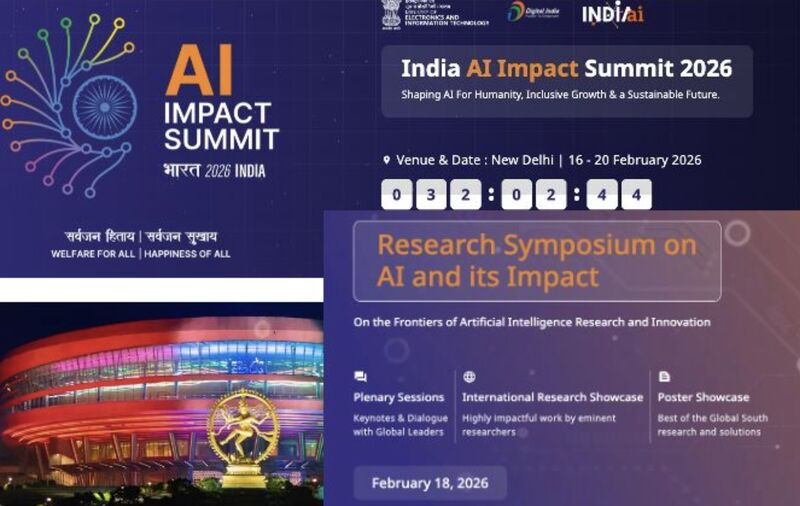
Questions brought to the AI Impact Summit about system-level capability and risk, the durability of AI engineering advantages, and access to inference-time compute.
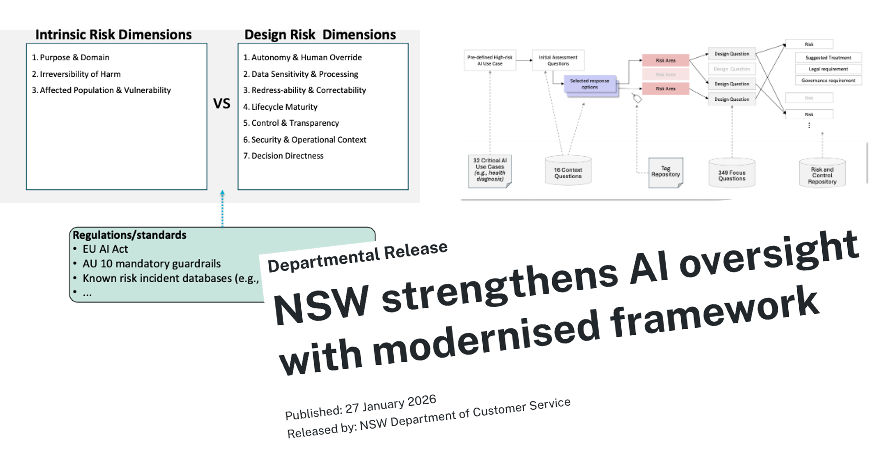
How the redesigned NSW AI Assessment Framework narrows thousands of potential concerns into a defensible set of additional, AI-specific risks and evidence-backed controls.
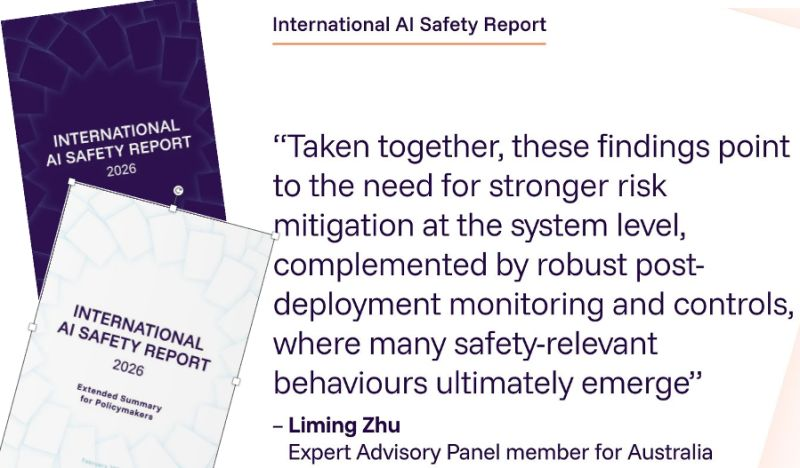
Early signals from the 2026 AI Safety Science Report on model-level cost asymmetry, induced behaviours, scalable oversight and system-level risk propagation.
CSIRO Data61’s 2026 research directions in scalable oversight, meaningful human agency and cross-domain techniques that jointly advance AI safety and economic value.

Why the real leverage of coding agents comes from redesigning work around automated, scalable verification rather than accelerating workflows that leave humans as the bottleneck.
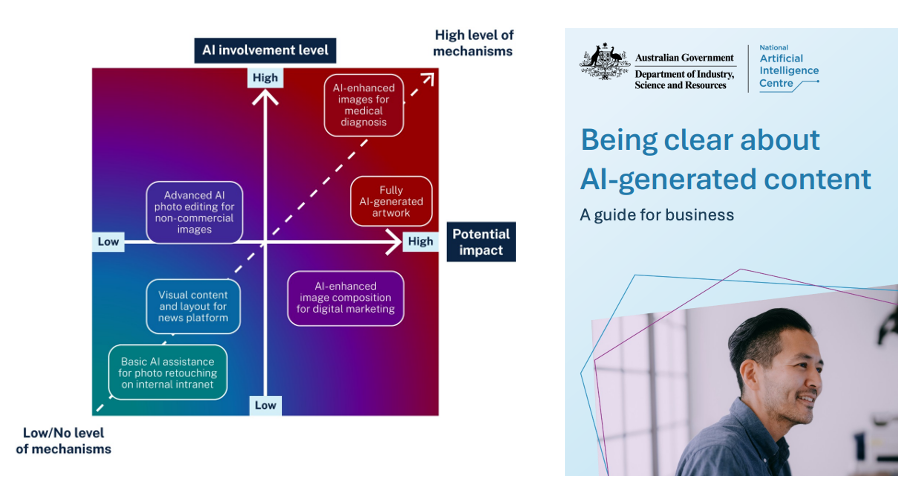
Why AI-generated content guidance should assess potential impact and degree of AI involvement, rather than relying on unstable likelihood estimates or nominal human oversight.

A CSIRO Data61 partnership with the Audit Office of NSW explores responsible AI for public auditing and what established audit practice can teach AI governance.

As part of the international expert advisory group representing Australia, I’m pleased to see the second Key Update of the AI Safety Science Report, led by Yoshua Bengio, released (link in the comment). The official update captures the broad progress: more robust adversarial training, better AI-generated content tracking, wider adoption of frontier safety frameworks, and…
Most creators say they want protection from AI, yet a recent UK survey found over 90% would not opt out of AI access to their work. Why? Today’s visibility depends on online discovery and search, and those systems are powered by AI. If you opt out, your work may be safe from AI training, but…
I often share missed or surprising observations in my talks. Here are five of them, summarised as food for thought. 𝗠𝘆𝘁𝗵 𝟭: 𝗢𝘃𝗲𝗿𝘀𝗲𝗮𝘀-𝘁𝗿𝗮𝗶𝗻𝗲𝗱 𝗔𝗜 𝘄𝗼𝗻’𝘁 𝗮𝗹𝗶𝗴𝗻 𝘄𝗶𝘁𝗵 𝗔𝘂𝘀𝘁𝗿𝗮𝗹𝗶𝗮𝗻 𝘃𝗮𝗹𝘂𝗲𝘀.It’s intuitive to think globally trained models can’t reflect our norms. Yet when frontier models answer the same cultural questions posed to national cohorts, they align most…
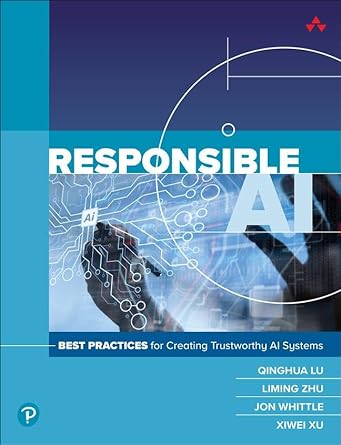
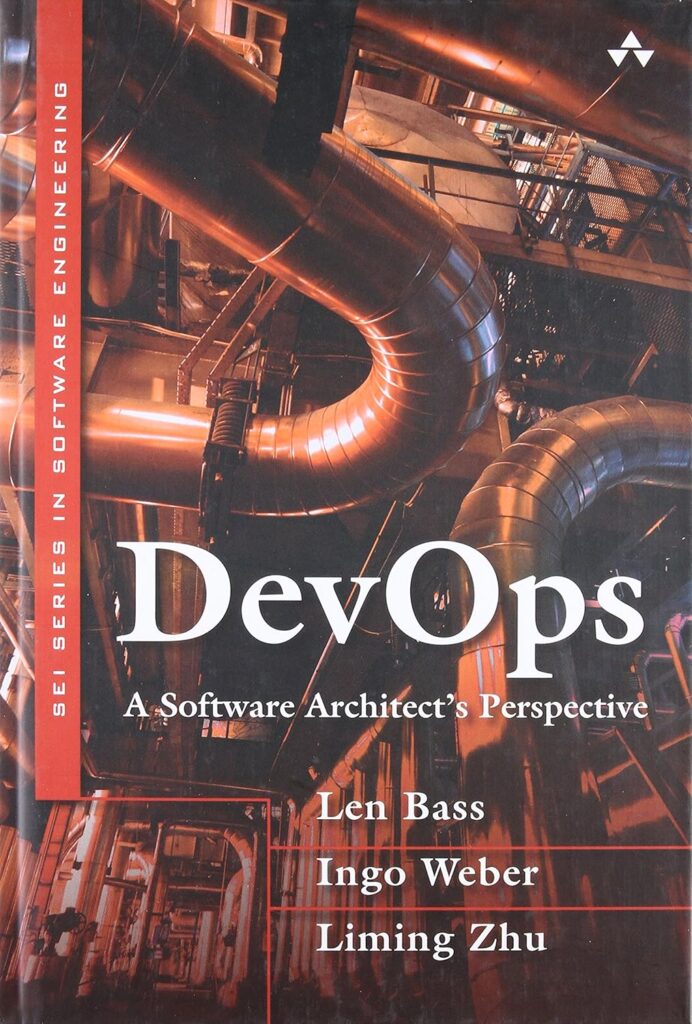
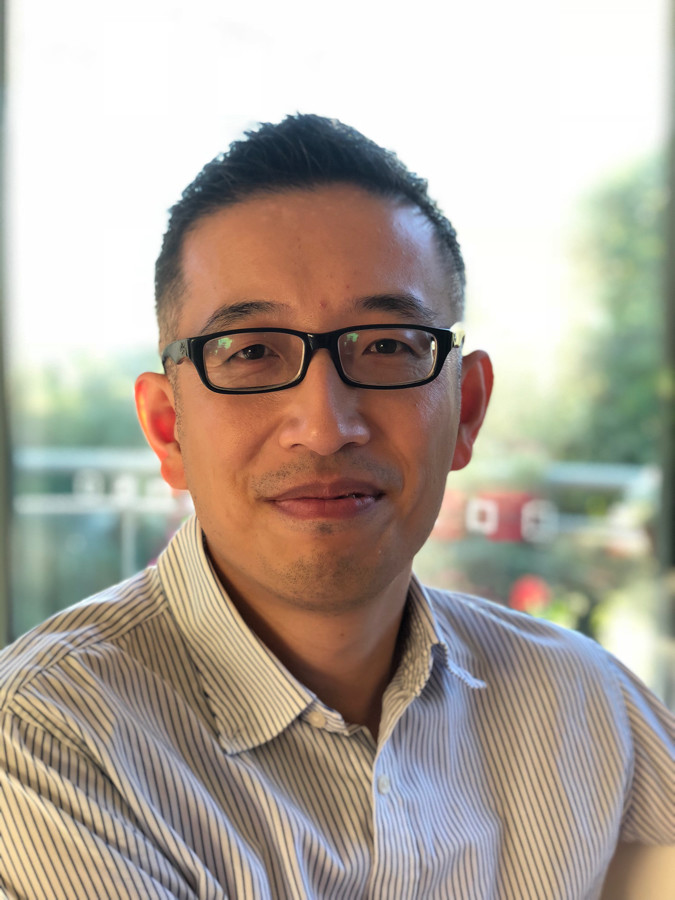
Dr Liming Zhu FTSE
Research Director, CSIRO
Conjoint Professor, CSE UNSW
For other roles, see LinkedIn & Professional activities.
If you’d like to invite me to give a talk, please see here & email liming.zhu@csiro.au