💡 People often think scalable AI just means handling more transactions or bigger datasets. But scalability isn’t about size.
𝙄𝙩 𝙢𝙚𝙖𝙣𝙨 𝙩𝙝𝙚 𝙨𝙮𝙨𝙩𝙚𝙢 𝙠𝙚𝙚𝙥𝙨 𝙬𝙤𝙧𝙠𝙞𝙣𝙜 𝙪𝙣𝙙𝙚𝙧 𝙜𝙧𝙤𝙬𝙞𝙣𝙜 𝙙𝙚𝙢𝙖𝙣𝙙 𝙤𝙧 𝙧𝙖𝙥𝙞𝙙 𝙘𝙝𝙖𝙣𝙜𝙚 𝙗𝙮 𝙨𝙞𝙢𝙥𝙡𝙮 𝙖𝙙𝙙𝙞𝙣𝙜 𝙥𝙧𝙤𝙥𝙤𝙧𝙩𝙞𝙤𝙣𝙖𝙡, 𝙤𝙧 𝙚𝙫𝙚𝙣 𝙨𝙪𝙗-𝙥𝙧𝙤𝙥𝙤𝙧𝙩𝙞𝙤𝙣𝙖𝙡, 𝙧𝙚𝙨𝙤𝙪𝙧𝙘𝙚𝙨. 𝙉𝙤 𝙗𝙤𝙩𝙩𝙡𝙚𝙣𝙚𝙘𝙠𝙨, 𝙣𝙤 𝙧𝙚𝙙𝙚𝙨𝙞𝙜𝙣𝙨.
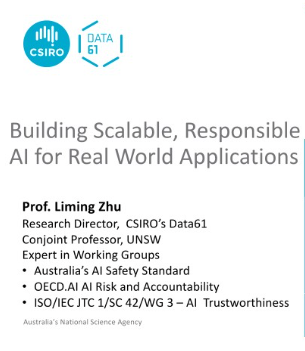
At the PAKDD AI Forum earlier today, I shared three dimensions of scalable AI:
⚙️ 𝗦𝗰𝗮𝗹𝗮𝗯𝗹𝗲 𝗰𝗮𝗽𝗮𝗯𝗶𝗹𝗶𝘁𝘆: Not just scaling up models with more data and compute, but boosting inference-time and system-level performance—through deeper reasoning, richer context, external tools, and post-inference smarts.
🧪 𝗦𝗰𝗮𝗹𝗮𝗯𝗹𝗲 𝗲𝘃𝗮𝗹𝘂𝗮𝘁𝗶𝗼𝗻: Not ad hoc testing or trial-and-error. Scalable evaluation means automated, reusable pipelines that support stackable, systematic experimentation.
Not assessing AI performance/risk by introducing costly evaluations of existing human processes, which are often resistant to scrutiny and hard to measure, but instead focusing on direct 𝗺𝗮𝗿𝗴𝗶𝗻𝗮𝗹 𝗿𝗶𝘀𝗸 𝗮𝘀𝘀𝗲𝘀𝘀𝗺𝗲𝗻𝘁 through smart designs.
🔍 𝗦𝗰𝗮𝗹𝗮𝗯𝗹𝗲 𝗼𝘃𝗲𝗿𝘀𝗶𝗴𝗵𝘁: True scalability avoids human bottlenecks. That means not relying on human-in-the-loop everywhere, but building oversight that includes AI oversight, scalable redress, and selective, meaningful human review.
This is how CSIRO’s Data61 build scalable and responsible AI systems for our customers in real world.
💬 What’s the hardest part of your AI stack to scale?
Slides: at LinkedIn