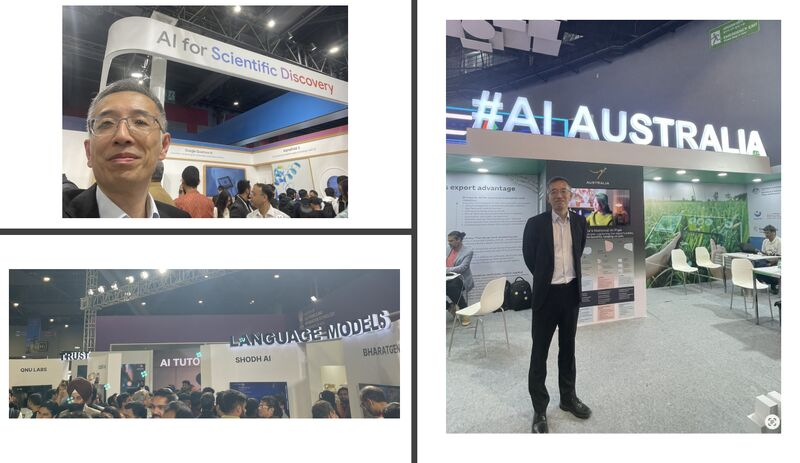
Day two was a collision of optimism, scale, and strategic uncertainty.
I spent most of it roaming the exhibition hall and joining panels. Reportedly, the summit is attracting close to 300,000 people. Large global firms, small startups, sovereign AI showcases. It genuinely feels as if the entire AI industry has descended on India.
What did I learn?
First, it is not easy to be an AI company right now. General-purpose AI allows everyone to claim they can do almost everything. Software costs are compressing. It is easy to sound grand. Harder to explain the moat. I asked variations of that question repeatedly and did not hear many convincing answers. “We have unique data.” “We have proprietary smarts on top of LLMs.” Perhaps. But will that endure?
𝗪𝗵𝗮𝘁 𝘀𝗲𝗲𝗺𝗲𝗱 𝗺𝗼𝗿𝗲 𝗽𝗿𝗼𝗺𝗶𝘀𝗶𝗻𝗴 𝘄𝗲𝗿𝗲 𝗰𝗼𝗺𝗽𝗮𝗻𝗶𝗲𝘀 𝗯𝘂𝗶𝗹𝗱𝗶𝗻𝗴 𝗳𝗿𝗼𝗺 𝗮 𝗻𝗮𝗿𝗿𝗼𝘄, 𝘁𝗮𝗻𝗴𝗶𝗯𝗹𝗲 𝘃𝗮𝗹𝘂𝗲 𝗽𝗿𝗼𝗽𝗼𝘀𝗶𝘁𝗶𝗼𝗻 𝘄𝗶𝘁𝗵𝗶𝗻 𝗮𝗻 𝗲𝘅𝗶𝘀𝘁𝗶𝗻𝗴 𝗰𝘂𝘀𝘁𝗼𝗺𝗲𝗿 𝗯𝗮𝘀𝗲. Earn trust in one slice. Deliver something concrete. Then expand carefully, leveraging AI’s power from a real foothold. Not arriving with the claim that you can solve everything at once.
𝗢𝗻 𝘁𝗵𝗲 𝗽𝗮𝗻𝗲𝗹 𝗮𝗯𝗼𝘂𝘁 𝗽𝗮𝗿𝘁𝗶𝗰𝗶𝗽𝗮𝘁𝗼𝗿𝘆 𝗔𝗜 𝗴𝗼𝘃𝗲𝗿𝗻𝗮𝗻𝗰𝗲, 𝘁𝗵𝗲𝗿𝗲 𝘄𝗮𝘀 𝗯𝗿𝗼𝗮𝗱 𝗮𝗴𝗿𝗲𝗲𝗺𝗲𝗻𝘁 𝗼𝗻 𝗼𝗻𝗲 𝘁𝗵𝗶𝗻𝗴: 𝗲𝘃𝗮𝗹𝘂𝗮𝘁𝗶𝗼𝗻 𝗶𝘀 𝗸𝗲𝘆. Good intentions and beautifully worded principles are not enough. If AI systems are making explicit or implicit decisions, are we actually measuring outcomes and realised risks? Without evaluation, governance becomes theatre.
𝗜 𝘀𝗵𝗮𝗿𝗲𝗱 𝗗𝗮𝘁𝗮𝟲𝟭’𝘀 𝘄𝗼𝗿𝗸 𝗼𝗻 𝗔𝗜 𝗱𝗶𝘃𝗲𝗿𝘀𝗶𝘁𝘆 𝗮𝗻𝗱 𝗶𝗻𝗰𝗹𝘂𝘀𝗶𝗼𝗻 𝗴𝘂𝗶𝗱𝗲𝗹𝗶𝗻𝗲𝘀, 𝗻𝗼𝘄 𝗲𝗺𝗯𝗲𝗱𝗱𝗲𝗱 𝗶𝗻 𝘀𝗲𝘃𝗲𝗿𝗮𝗹 𝗻𝗮𝘁𝗶𝗼𝗻𝗮𝗹 𝗳𝗿𝗮𝗺𝗲𝘄𝗼𝗿𝗸𝘀 𝗮𝗻𝗱 𝘀𝗲𝗰𝘁𝗼𝗿 𝗴𝘂𝗶𝗱𝗲𝘀. Participation should not stop at consultation. It needs to move towards co-design and co-governance, where participants can influence thresholds, understand trade-offs, and exercise meaningful control and oversight. That is closer to real participation.
The evening pre-research symposium dinner was perhaps the most illuminating part of the day. In private conversations, the tone shifts. Less polished, more uncertain. Some believe humans will always remain ahead, just unsure where the last stand lies. Others argue we will simply move up abstraction layers while AI handles detail. Increasingly, the ceiling of human smarts or abstraction feels philosophical rather than technical.
I added my two cents. 𝗪𝗵𝗮𝘁 𝗳𝗲𝗲𝗹𝘀 𝗰𝗼𝗻𝘀𝘁𝗮𝗻𝘁 𝗶𝘀 𝗵𝘂𝗺𝗮𝗻 𝗰𝘂𝗿𝗶𝗼𝘀𝗶𝘁𝘆. 𝗘𝘃𝗲𝗻 𝗶𝗳 𝗔𝗜 𝗼𝘂𝘁𝗽𝗲𝗿𝗳𝗼𝗿𝗺𝘀 𝘂𝘀 𝗶𝗻 𝗼𝗻𝗲 𝘁𝗮𝘀𝗸, 𝗼𝗿 𝗲𝘃𝗲𝗻𝘁𝘂𝗮𝗹𝗹𝘆 𝗺𝗮𝗻𝘆, 𝘁𝗵𝗲 𝗱𝗿𝗶𝘃𝗲 𝘁𝗼 𝘂𝗻𝗱𝗲𝗿𝘀𝘁𝗮𝗻𝗱 𝗮𝗻𝗱 𝘁𝗼 𝗹𝗲𝗮𝗿𝗻 𝗱𝗼𝗲𝘀 𝗻𝗼𝘁 𝗱𝗶𝘀𝗮𝗽𝗽𝗲𝗮𝗿. 𝗧𝗵𝗮𝘁 𝗺𝗮𝘆 𝗯𝗲 𝘁𝗵𝗲 𝗺𝗼𝘀𝘁 𝗱𝘂𝗿𝗮𝗯𝗹𝗲 𝘀𝗸𝗶𝗹𝗹 𝗼𝗳 𝗮𝗹𝗹.
Day 3 (18/Feb) at 2:00 pm I’ll be on the Research Symposium panel on Safe and Trusted AI.

Leave a Reply